Fjällräven Keb GTX Jacket Review
The Return of a Legendary Partnership
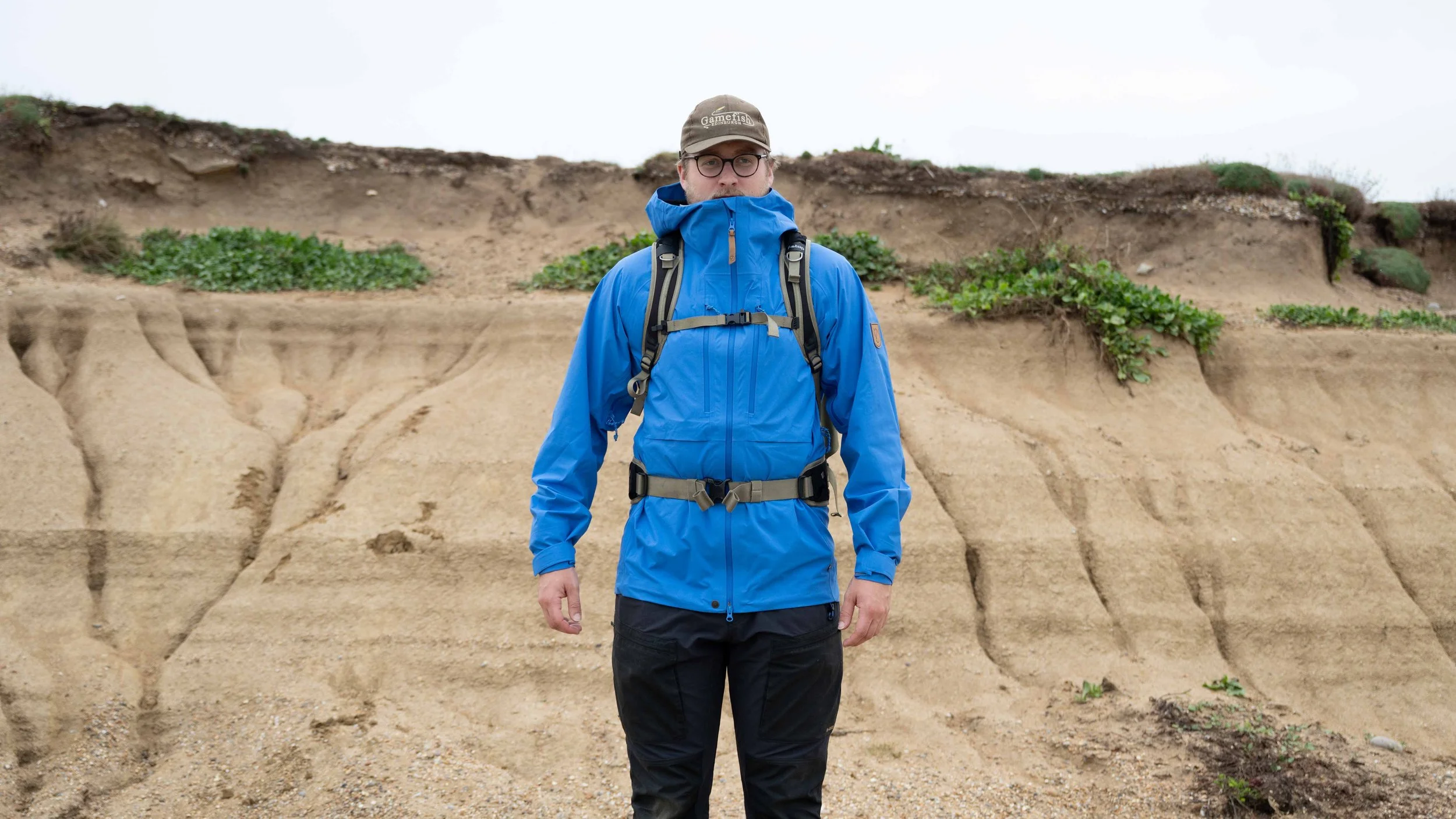
Fjällräven Keb GTX Jacket
Price: £550 / €650 / $600
Best For: Multi-day mountain trips in genuinely foul weather
Material: Gore-Tex ePE membrane with recycled 70D nylon face fabric
Weight: 480g (size M)
Fit: Longer cut in body and arms, men's and women's versions
Features: Pit zips, two chest pockets, internal zip pocket, adjustable mouldable hood, two-way front zip
Reasons to Buy:
Supremely waterproof
Excellent breathability
Pit zips for on-the-move temperature control
Longer cut for extra coverage
Reasons to avoid
There's no denying it's expensive
A Brief History Lesson
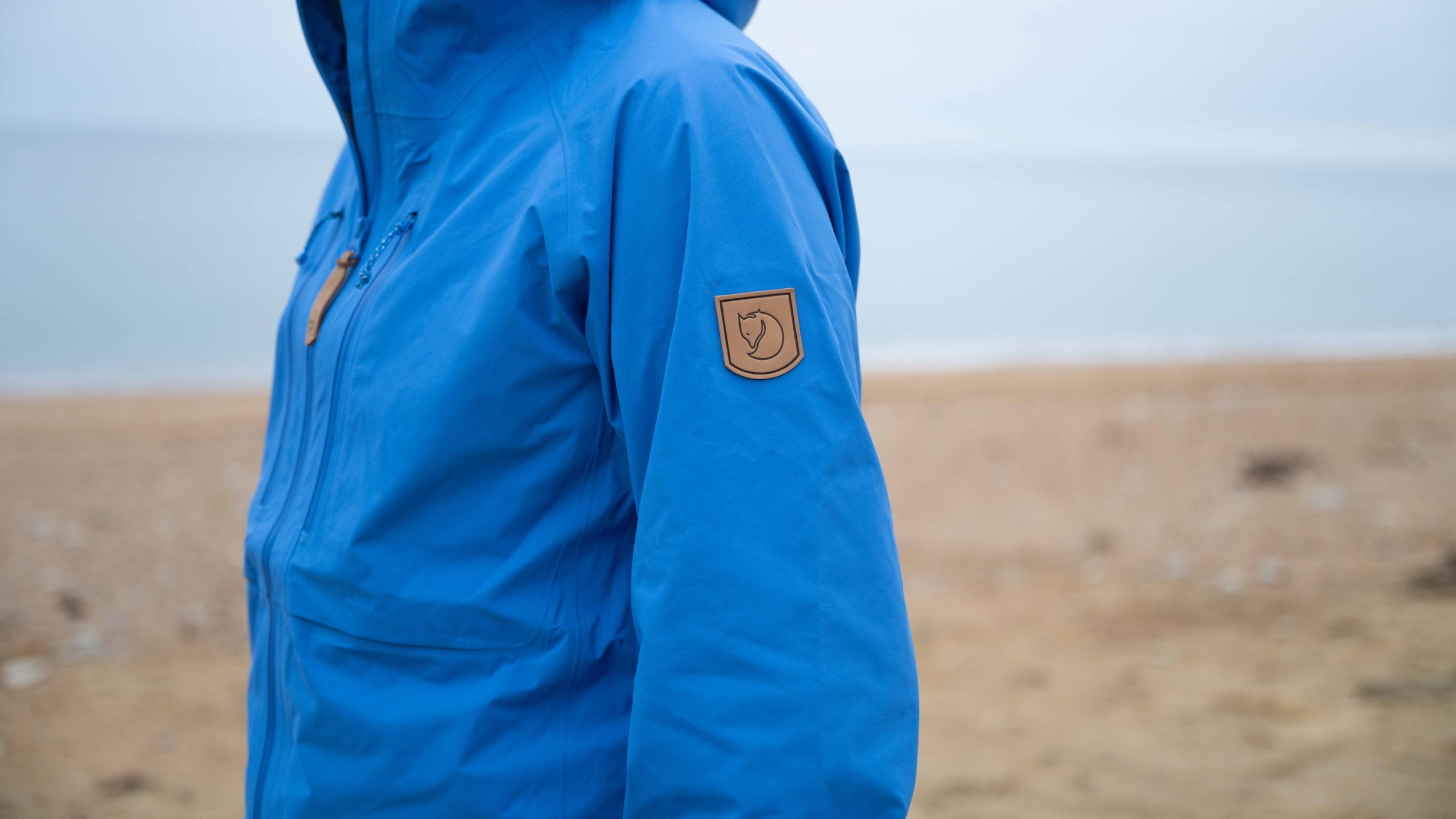
Many years ago, Fjällräven and Gore-Tex were among the first brands in Europe to team up on waterproof clothing. As time wore on, though, Gore-Tex's membrane leaned ever more heavily on the "forever chemicals" that sat awkwardly with Fjällräven's sustainability ethos, and the two brands went their separate ways. Fjällräven struck out with its own Eco-Shell membrane, which traded a little outright performance for a much cleaner conscience. Fast forward to 2026 and the story has come full circle; Gore-Tex has ditched the nasty stuff, the partnership is back on, and the result is the new GTX line, now PFAS-free and built around Gore's new ePE membrane. Having tested and loved the fit of the old Eco-Shell Keb but found it wanting when the heavens really opened, we were itching to see whether the Keb GTX could finally combine the best of both worlds.
The Lowdown
Fjällräven's do-it-all mountain shell, reunited with Gore-Tex
New PFAS-free Gore-Tex ePE membrane, claimed 28,000mm hydrostatic head
Recycled 70D nylon face fabric, 480g in a size M
Longer body and arm length for proper coverage
Now gains pit zips, loses the old ski-pass pocket
Highs:
Utterly bombproof in sustained rain
Breathable enough to keep on all day
Cleverly revised, snug-fitting hood
A genuine value upgrade over the Eco-Shell version
Lows:
£550 is a serious outlay
Overkill for anything short of proper mountain weather
What’s New?
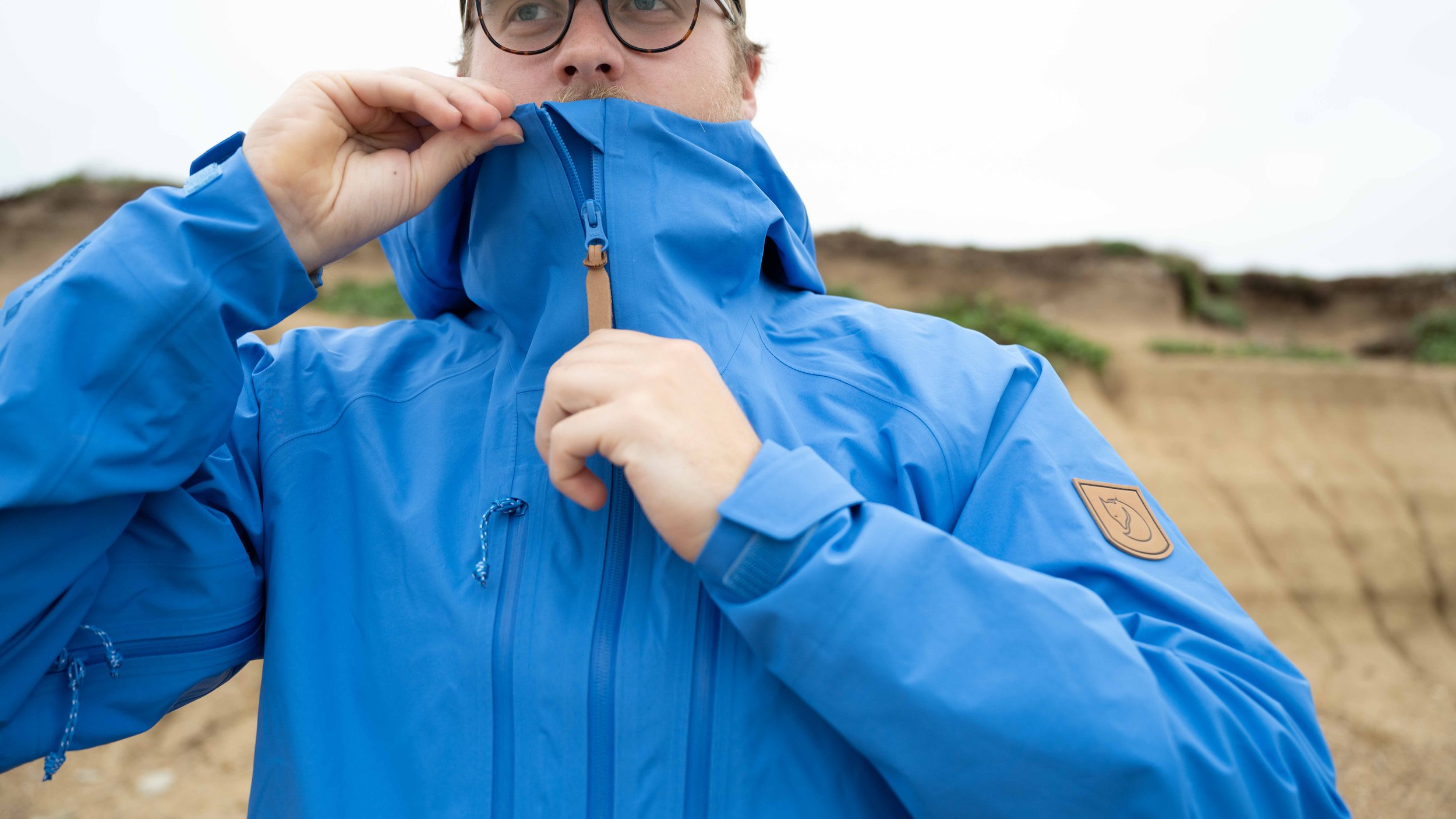
The Keb has been a stalwart of the Fjällräven range for years, the Swedish brand's honest, do-everything waterproof shell. In Eco-Shell guise it was a lovely thing; breathable, beautifully cut and free of the forever chemicals that plagued rival membranes at the time. Its one real weakness was that trade-off between green credentials and outright wet-weather performance, which became all too apparent the moment a downpour set in properly. Gore's new ePE membrane sets out to close that gap. It does away with the environmentally damaging ePTFE of old, and Gore reckon the new material is lighter, thinner, every bit as durable and lower in carbon footprint. Fjällräven have fallen into the trap of trading performance for sustainability before, so the obvious question is whether the ePE membrane finally lets them have it both ways.
Absolutely, it does.
Waterproofing and Breathability on Test
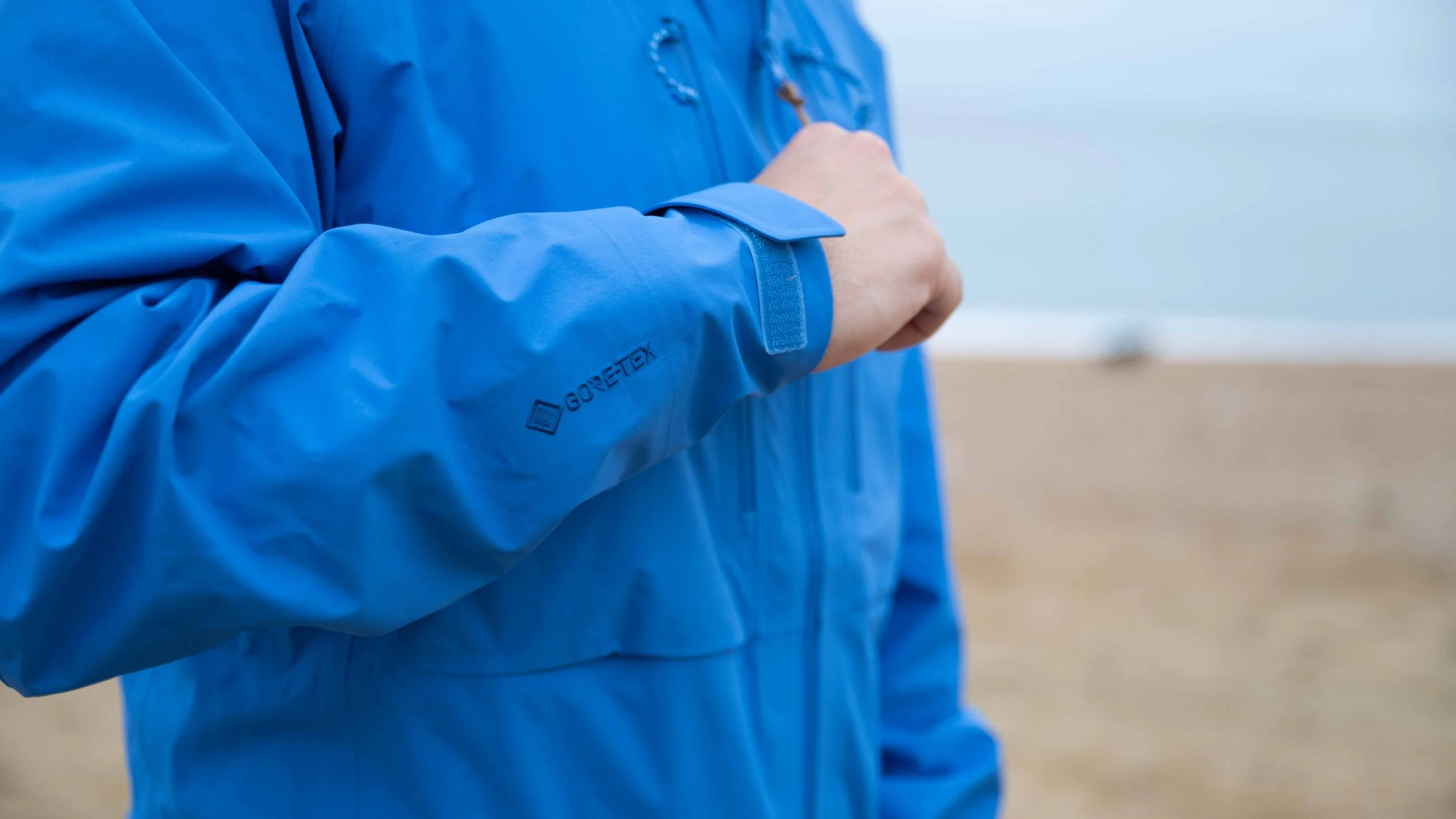
We tested the Keb GTX on a particularly sodden edition of the Fjällräven Classic, a multi-day trek through the Lake District where it hammered down for two days out of three. If you're going to test a waterproof jacket, that's the place to do it. Fjällräven don't quote figures themselves, but Gore rate the ePE membrane at 28,000mm hydrostatic head, on a par with the outgoing ePTFE, and while there's no official breathability number, independent testing by industry experts Hohenstein rated it "very breathable", the top mark available. Those claims held up beautifully in the field. At the end of each soaking day we'd peel the Keb off to find our mid-layers bone dry; nothing had leaked through and our sweat had been wicked away rather than left to fester. It was breathable enough that we simply left it on for two days straight, even grinding uphill, without ever feeling boil-in-the-bag.
Fit, Cut and Pockets
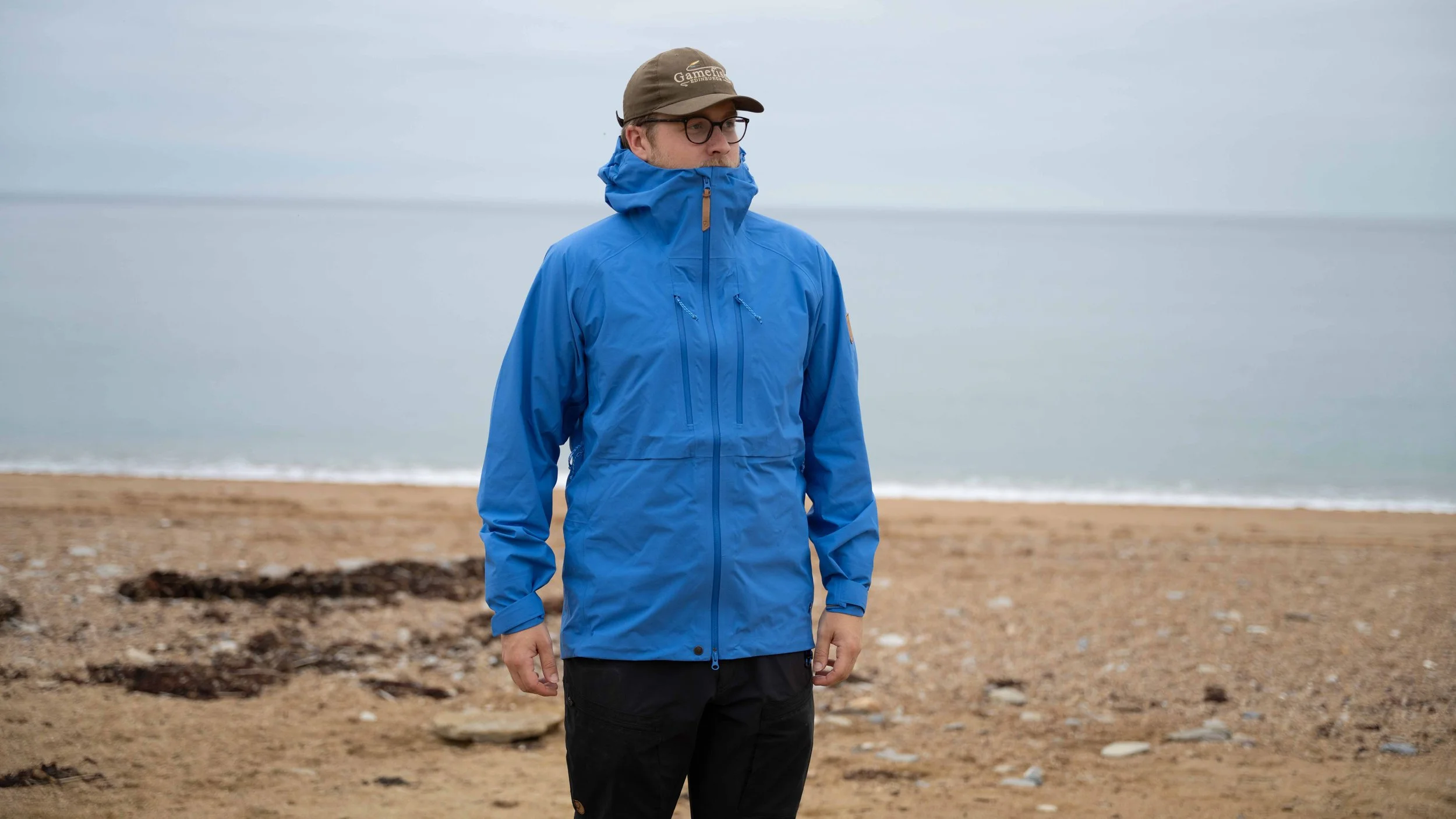
Beyond the new membrane, much of the Keb GTX carries over the things we already loved. The extended length in both the arms and the back is a real highlight; it stops water beading off the hem and running straight into your waistband, and keeps your wrists covered when you reach overhead. Pocketing is generous too, with two chest pockets that stay accessible under a harness or rucksack straps, plus an internal zipped pocket for valuables.
Pit Zips and Ventilation
There are a couple of meaningful changes from the Eco-Shell version. The upper-arm ski-pass pocket has gone, but in its place you get pit zips, and to our mind that's a trade well worth making; layered correctly the jacket breathes well, but under hard effort being able to dump heat without stopping to strip off is invaluable.
The Revised Hood
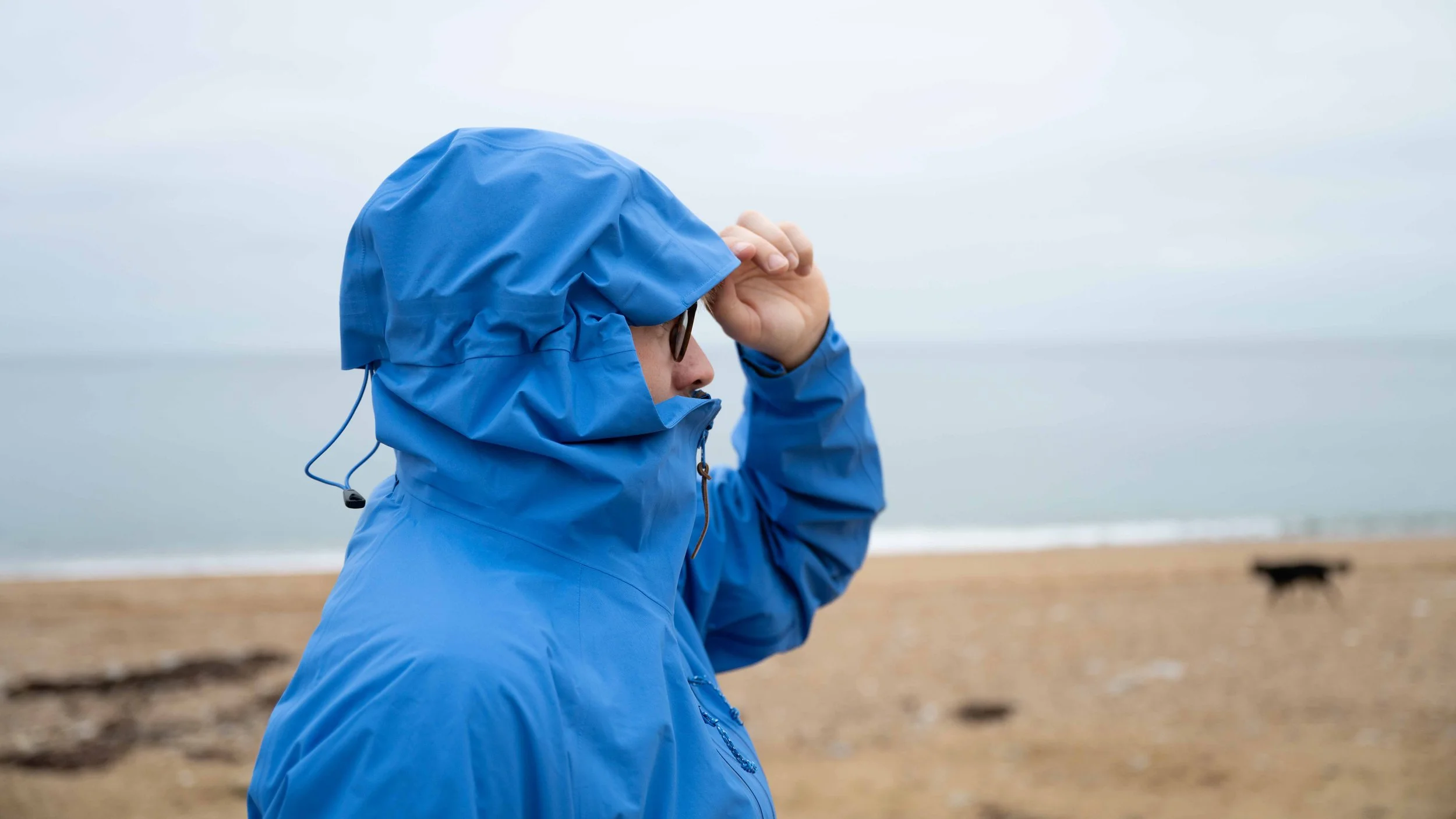
The hood has been overhauled, and it's all the better for it. A new arrangement of elastic cinch cords lets you pull it in for a genuinely snug fit, which we were thoroughly grateful for while battling some ferocious Lakeland weather, and the peak is mouldable so you can fold it out of the way when you don't need it.
Put the two jackets side by side and there isn't a huge difference in the look or hand-feel of the fabrics; the Eco-Shell is marginally softer, but the 70D face fabric here avoids the scratchy, cardboard-y feel of some heavy-duty Gore-Tex shells. Fjällräven have gone with recycled nylon rather than the old polyester, which should prove more durable into the bargain. Those after something even burlier, incidentally, will find the Bergtagen has had the same Gore-Tex treatment for full-on alpine and Arctic duty.
Is the Fjällräven Keb GTX Worth It?
The Keb GTX replaces the Eco-Shell version and costs just £25 more, which in isolation makes it a superb-value upgrade. That said, the £550 sticker is a lot of money, and there's no getting around it. Plenty of Gore-Tex jackets cost half as much, but it's worth remembering who this one is really for. It's complete overkill for walking the dog or stuffing in a pack as a just-in-case layer for a spot of drizzle. This is a jacket built for the days you'd otherwise not set foot outside; when you're miles from anywhere on a multi-day trip, the rain has set in for the duration and you simply have to keep moving. It's ferociously protective against wind and rain yet breathable enough to slog up a mountain in, and true to form Fjällräven have built it to last. Look after it and this could genuinely be the last shell you buy this decade.
Also Consider
Our go-to jacket in recent years has been the 66°North Hornstrandir. Built from a mix of Gore-Tex Pro and stretch panels, it's supremely comfortable and capable, if arguably overkill for most mountain days. At £595 it's a touch pricier than the Keb GTX, but it's kept us dry in some truly disgusting conditions. (66north.com)
For a more budget-friendly option, the wildly popular Rab Kangri also uses an ePE membrane and offers excellent waterproofing. It's worth noting it's on the heavy side and not as breathable as some rivals, and while £340 is still a chunk of money, it's frequently found discounted. (rab.equipment)
Enjoy this review? What about checking out our take on the 66 North Hornstrandir?